
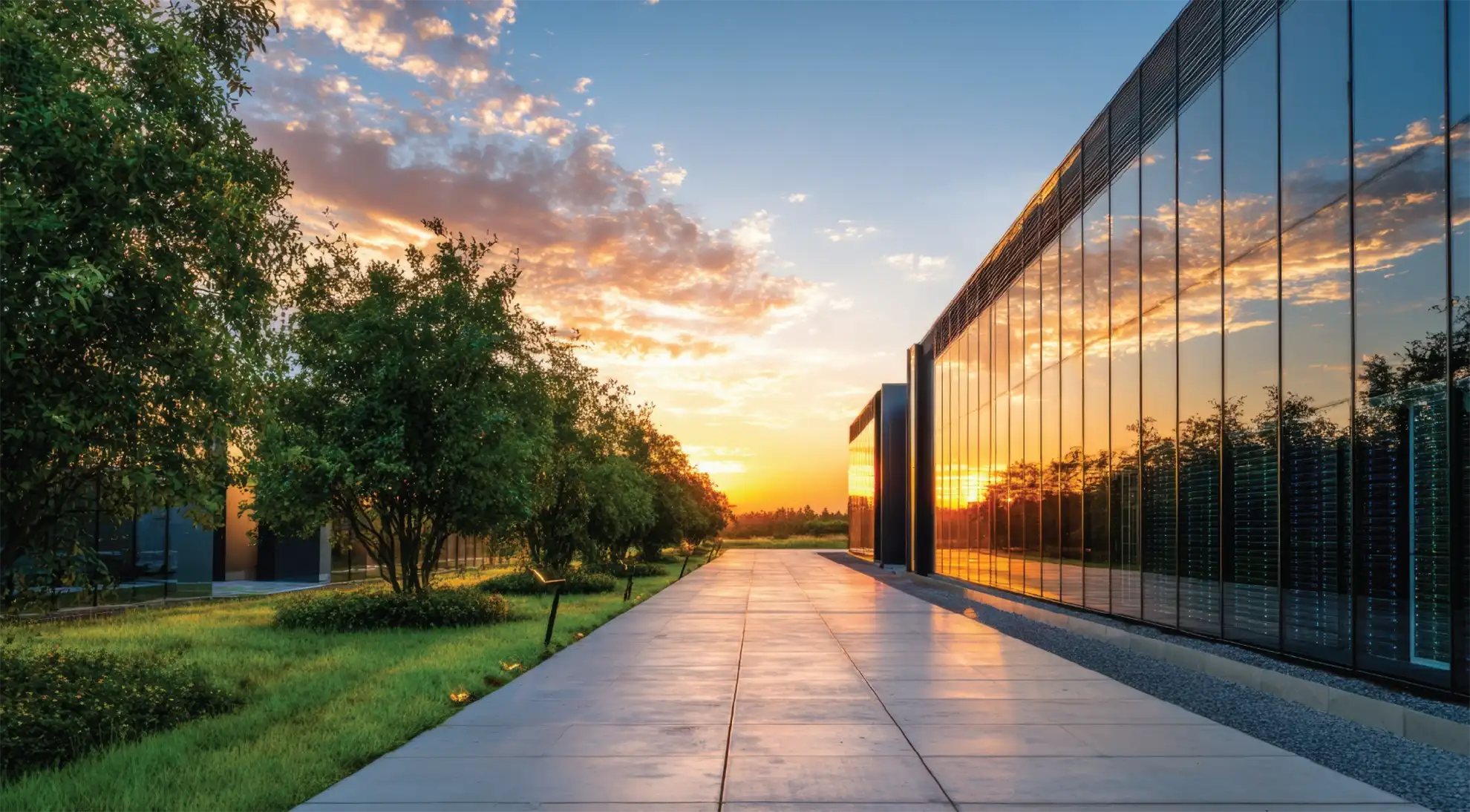
Proud Heritage.
Shared Future.
Every community has a story shaped by the people who call it home. The Quanah Data Center Project becomes part of that story only through transparency, communication, and trust. This website is where we share information, answer questions, and provide updates as information becomes available.


A tradition
of progress.
From railroads and electric grids to the internet and cloud computing, every generation invests in the systems that support its future. Learn how data centers fit into that continuing story.
Frequently asked questions
Answers to common questions.
Every text message, video call, social media post, streamed movie, online purchase, and route navigation depends on digital infrastructure.
Data centers help provide the computing power behind those everyday services while supporting the technology businesses, schools, hospitals, and communities rely on every day.
The project is currently moving through engineering, planning, and development activities.
Projects of this size evaluate many factors when selecting a location, including available land, infrastructure, utility planning, transportation access, and long-term growth opportunities.
But there is another factor that matters just as much: community.
We believe America's small towns play an important role in the country's future. Communities like Quanah are built on hard work, strong families, local businesses, and people who care about where they live.
That is why we look for opportunities to invest in places like Quanah. We want to bring jobs, create opportunities for local businesses, support American manufacturing, and help strengthen the communities where we build.
The Quanah Data Center is more than a technology project. It is an investment in a community we believe in and a future we want to help build together.
In a community built around agriculture, ranching, and responsible resource management, water matters.
Unlike some industrial facilities that require a continuous supply of water for their operations, the Quanah Data Center is being designed with a closed-loop cooling system that works much like the radiator in your car. Water circulates through the system and is reused again and again rather than constantly being consumed.
Because of that design, most everyday water use at the facility will come from normal building operations, similar to what you would find in a school, hospital, office building, or other large workplace. That includes restrooms, breakrooms, cleaning, maintenance, and limited humidification during very dry conditions.
Responsible water use has been a priority from day one, and we recognize how important that is to the people, farms, ranches, and businesses that call this community home.
We understand how important water is to all throughout Hardeman County.
Water planning is an important part of the engineering and review process. The facility is being designed to minimize ongoing cooling water demand through closed-loop cooling systems that continuously recirculate water.
Our goal is to be a responsible neighbor by understanding water needs, planning carefully, and considering long-term operations from the very beginning.
Reliable electricity matters to every home, farm, ranch, school, and business in the community.
Before a facility like the Quanah Data Center can connect to the electric grid, utilities and grid operators conduct extensive studies to evaluate reliability, capacity, and infrastructure requirements. These studies help determine what investments are needed to support both the project and the long-term reliability of the electric system.
To support the project, Integra is investing in new electrical infrastructure, including a dedicated substation and other upgrades identified through the utility review process. Integra is responsible for funding the required studies, infrastructure improvements, and project-related upgrades.
Those investments add new electrical infrastructure to the area without placing those costs on local residents. They also help strengthen and modernize the electric system, supporting long-term reliability for the region.
We believe communities should benefit from the investments made around them. That's why the Quanah Data Center is funding the infrastructure needed to support its operations rather than shifting those costs to local consumers.
Unlike many traditional data centers, the Quanah Data Center has been designed with less reliance on large-scale generator infrastructure. Some equipment, such as cooling systems and emergency backup equipment, is located outside, but sound has been considered throughout the design process.
The goal is to minimize noise beyond the property line while operating safely and reliably.
Exterior lighting is important for safety, security, and emergency response, but modern lighting systems are designed to focus light where it is needed.
Directional fixtures, shielding, and lighting controls help reduce glare and light spill beyond the property.
Unlike stadium or sports field lighting designed to illuminate large areas, site lighting is intended to support safe operations while minimizing unnecessary brightness beyond the facility.
Lighting plans are developed with consideration for neighboring properties and applicable requirements.
Projects of this size create opportunities during both construction and long-term operations.
Construction typically supports a larger temporary workforce and a wide range of skilled trades. Once the facility is operating, it requires skilled employees in areas such as operations, maintenance, engineering, technology systems, security, and facility support.
These long-term positions typically offer competitive wages, strong benefits, and opportunities for people to build a future close to home.
The project also supports jobs beyond the facility itself, creating opportunities for contractors, suppliers, manufacturers, transportation providers, and many other businesses that help bring large-scale projects to life.
Integra wants local businesses to be part of the project's success.
Projects of this size rely on a wide range of local partners throughout construction and operations, including contractors, suppliers, transportation providers, restaurants, hotels, service companies, and professional firms.
We believe communities should benefit from the investments made around them. That's why we want local businesses to be aware of opportunities, introduce themselves, share their capabilities, and grow alongside the project whenever there is a good fit.
When local businesses participate, more of the project's investment stays in the community. Local companies grow, local jobs are supported, and local families benefit. A stronger local business community helps create a stronger Quanah.
This website is the primary source for project information.
Residents can submit questions, review updates, and access new information as it becomes available.
Have more questions? Contact Us


